Know Your Roof
Roof Flashing and Roof Edge Terms
Flashing seals the spots where a roof meets a chimney, a wall or another slope, and the roof edge is where water leaves the roof. A lot of roof leaks start at these spots, not in the middle of the shingles. These guides explain each piece and the signs it is failing.
- 11 guides
- 18 key terms
Looking for a single word? See the roofing terms glossary, A to Z.

Flashing & Roof Edge guides
 Flashing & Roof Edge
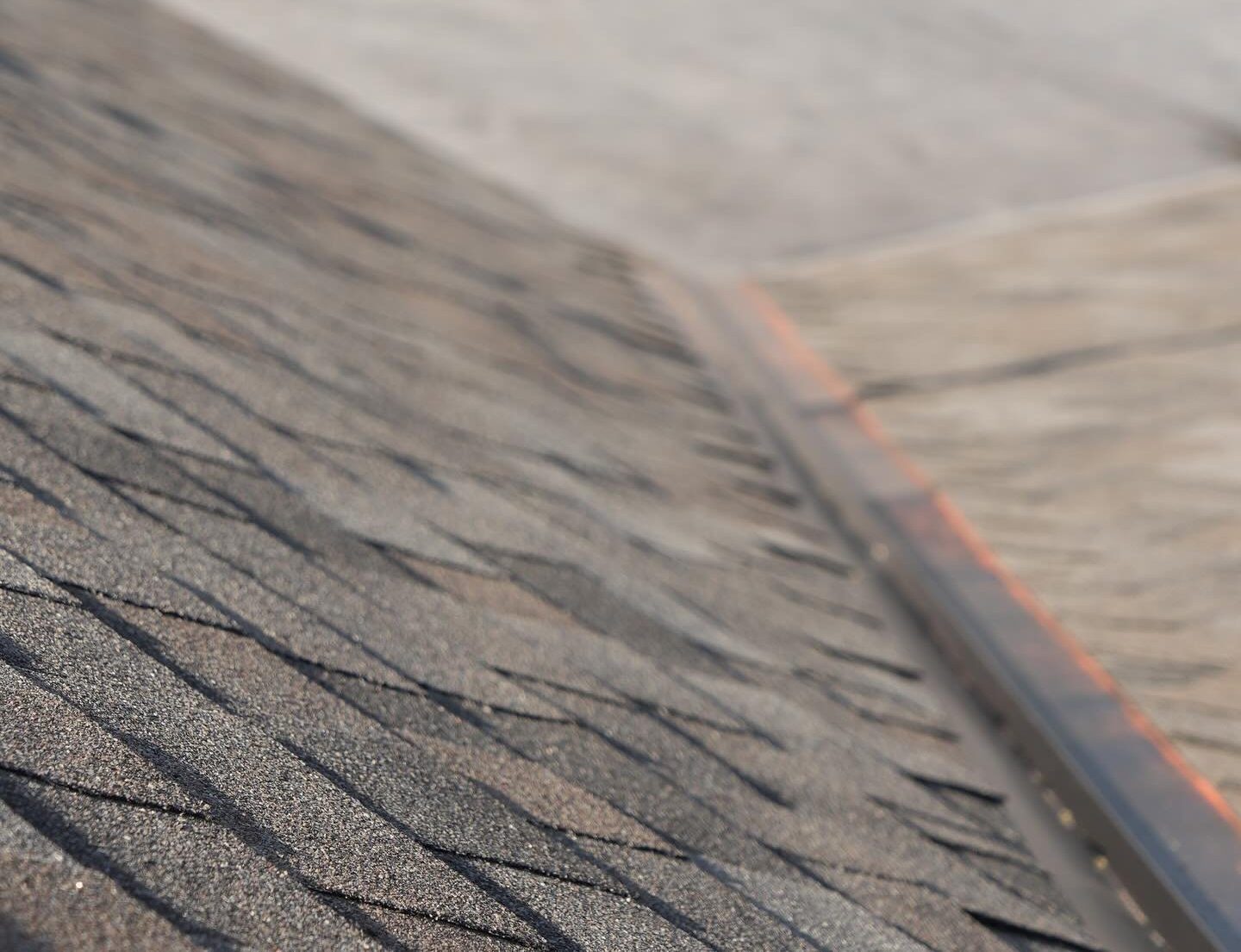
Roof Flashing
Roof flashing is thin metal, sometimes rubber, installed wherever a roof meets something else: a chimney, a wall, a vent, a valley. It steers water over those weak spots and away from the roof deck. A lot of roof leaks start at flashing, not in the middle of the shingles.
 Flashing & Roof Edge
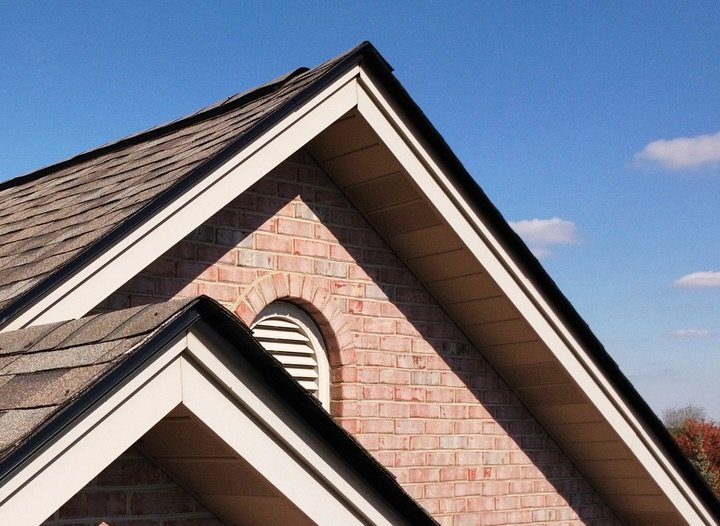
Drip Edge
Drip edge is a strip of L-shaped metal flashing along the edges of a roof. It sends water off the shingles and into the gutter, and keeps it from soaking the roof deck and fascia. It's a cheap part that protects wood that rots easily.
 Flashing & Roof Edge
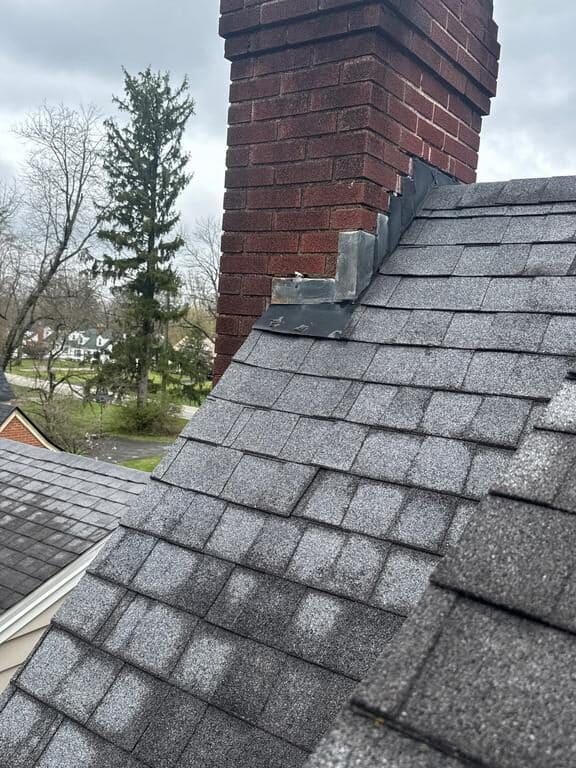
Step Flashing
Step flashing is a series of small L-shaped metal pieces installed in a stair-step pattern where a sloped roof meets a vertical wall, like a dormer or the side of a chimney. Each piece sits on a shingle course and is covered by the next one, so water runs out over the shingles, not into the joint.
 Flashing & Roof Edge
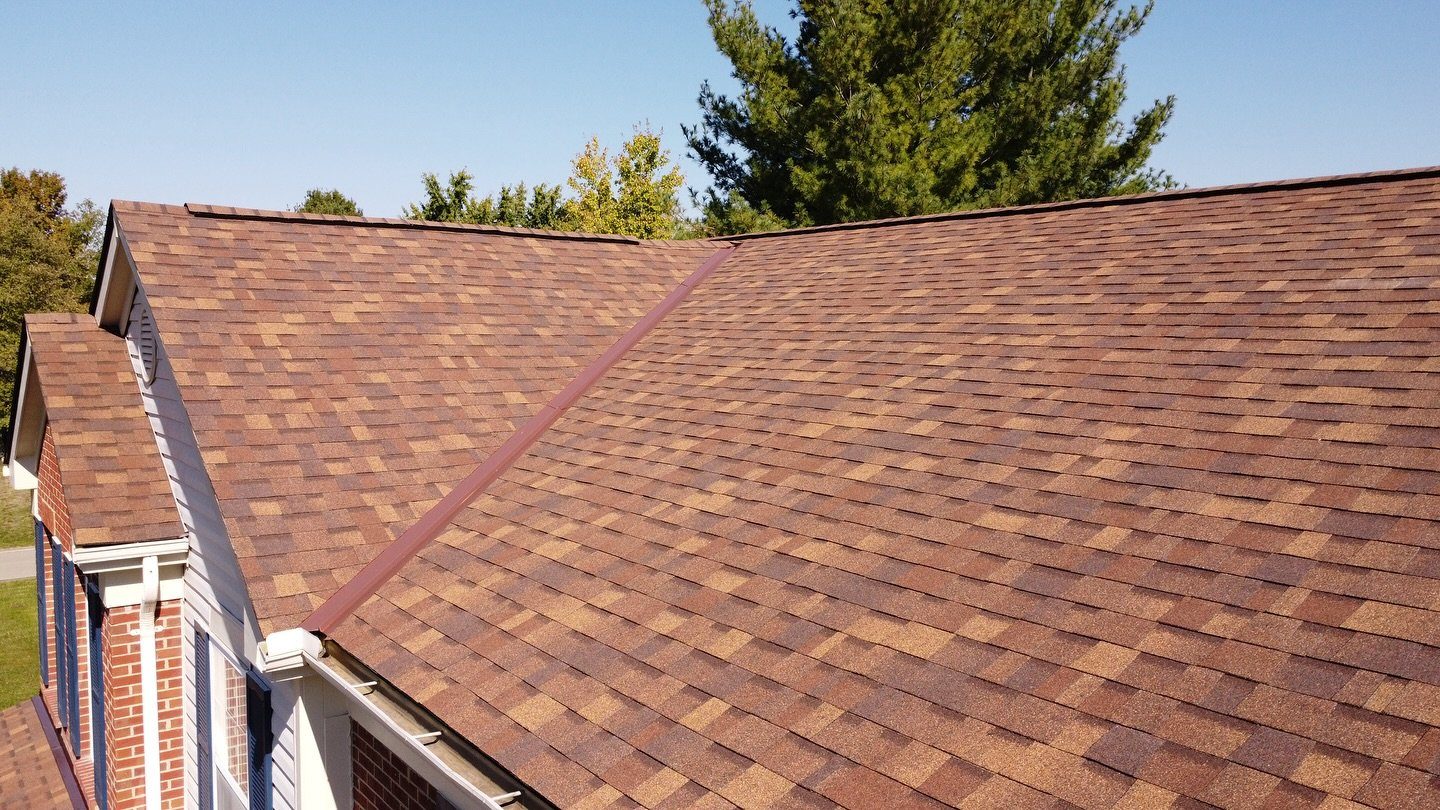
Valley Flashing
A roof valley is the inside angle where two roof slopes meet. A lot of the roof's runoff ends up there, so it's lined with valley flashing, which is metal or waterproof membrane under the shingles. A failed valley is one of the more common sources of leaks.
 Flashing & Roof Edge
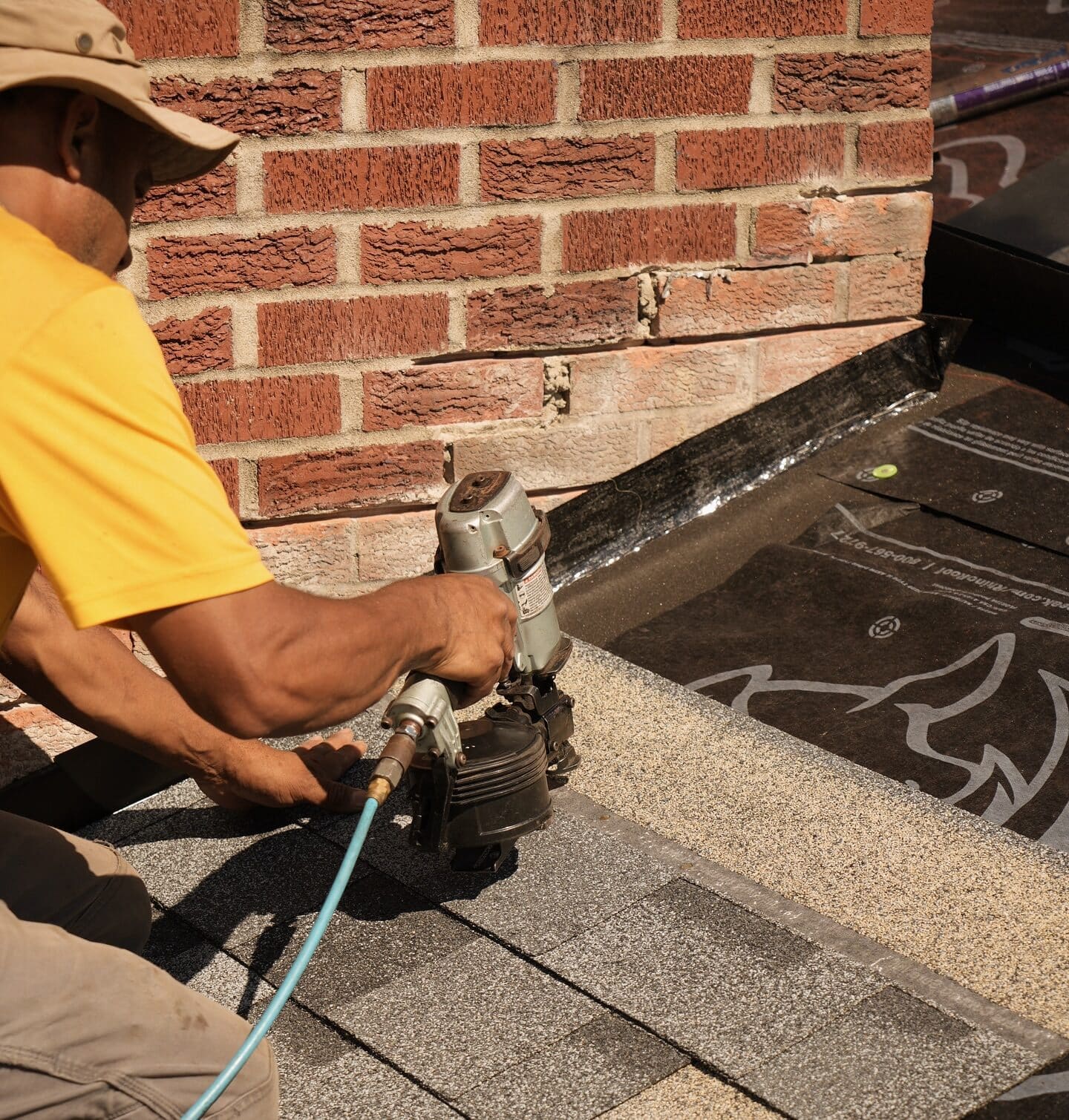
Chimney Flashing
Chimney flashing is the set of metal pieces that seals the joint between a chimney and the roof. It works in layers: base flashing, step flashing, and counter flashing set into the masonry, often with a cricket on the uphill side. If any layer fails, water gets into the roof and the chimney.
 Flashing & Roof Edge
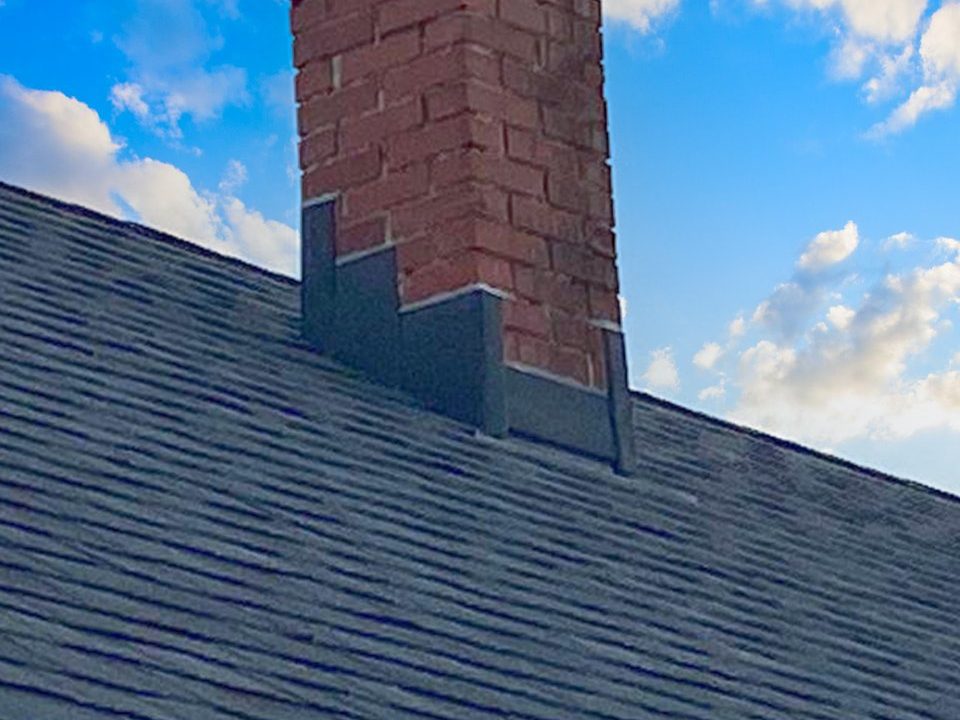
Counter Flashing
Counter flashing is a second piece of flashing installed over the top edge of the base flashing, usually set into a wall or the mortar of a chimney. It blocks water from sneaking behind the base flashing, and it lets the roof and wall move a little without breaking the seal.
 Flashing & Roof Edge
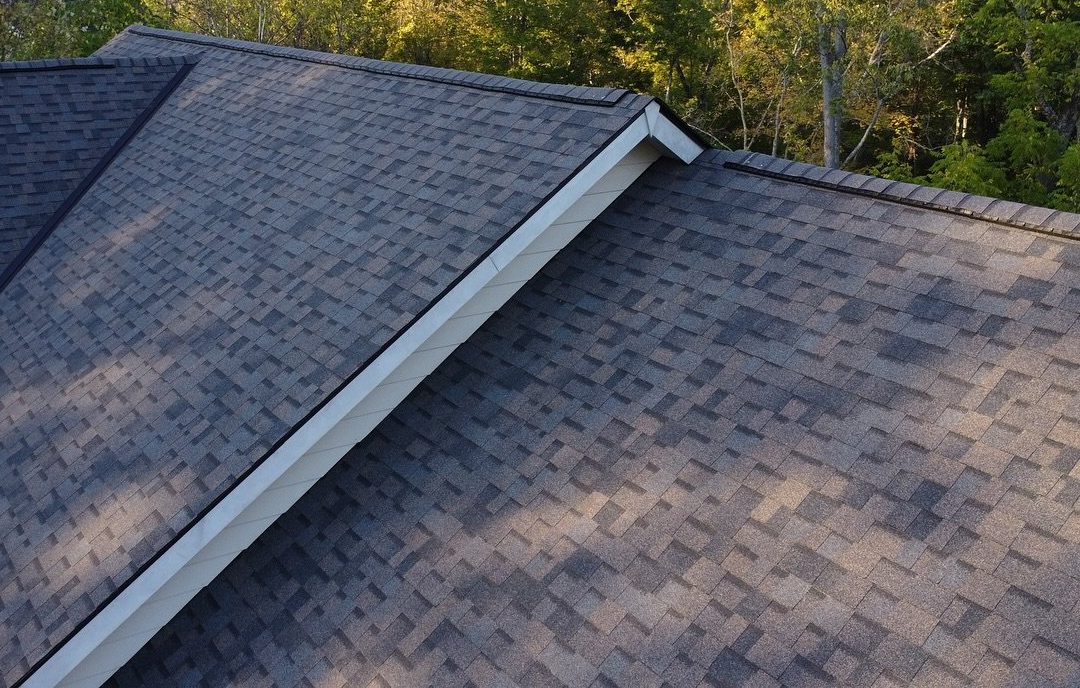
Rake Edge
The rake edge is the sloped edge of a roof that runs from the eave up to the ridge, usually on the gable end of a house. The eave runs along the bottom of the roof, level with the ground. The rake edge is where wind, water and shingles meet the side of the roof.
 Flashing & Roof Edge
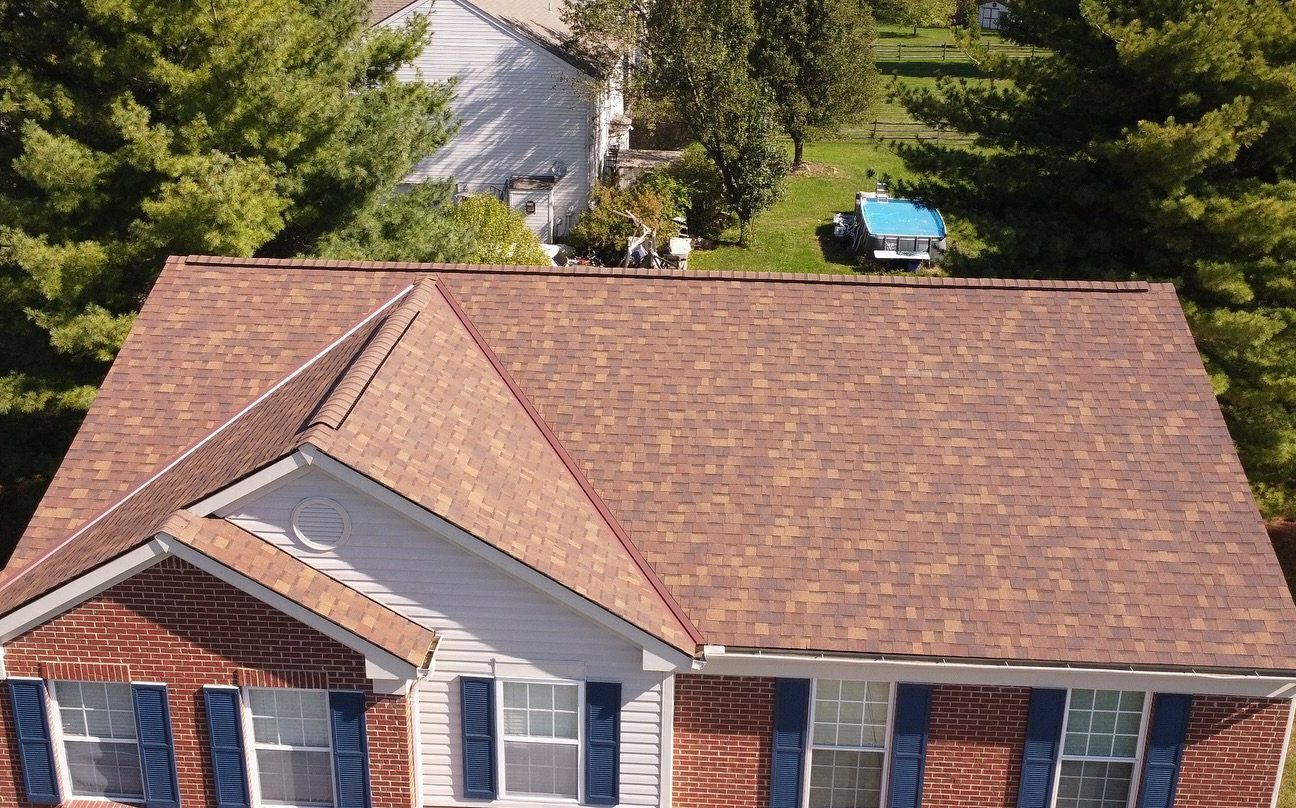
Eave
The eave is the lower edge of a roof, where it overhangs the exterior wall. It's where your gutters hang. Fascia, soffit and drip edge all meet there, and because water and ice collect at the eave, it's a common spot for leaks and rot.
 Flashing & Roof Edge
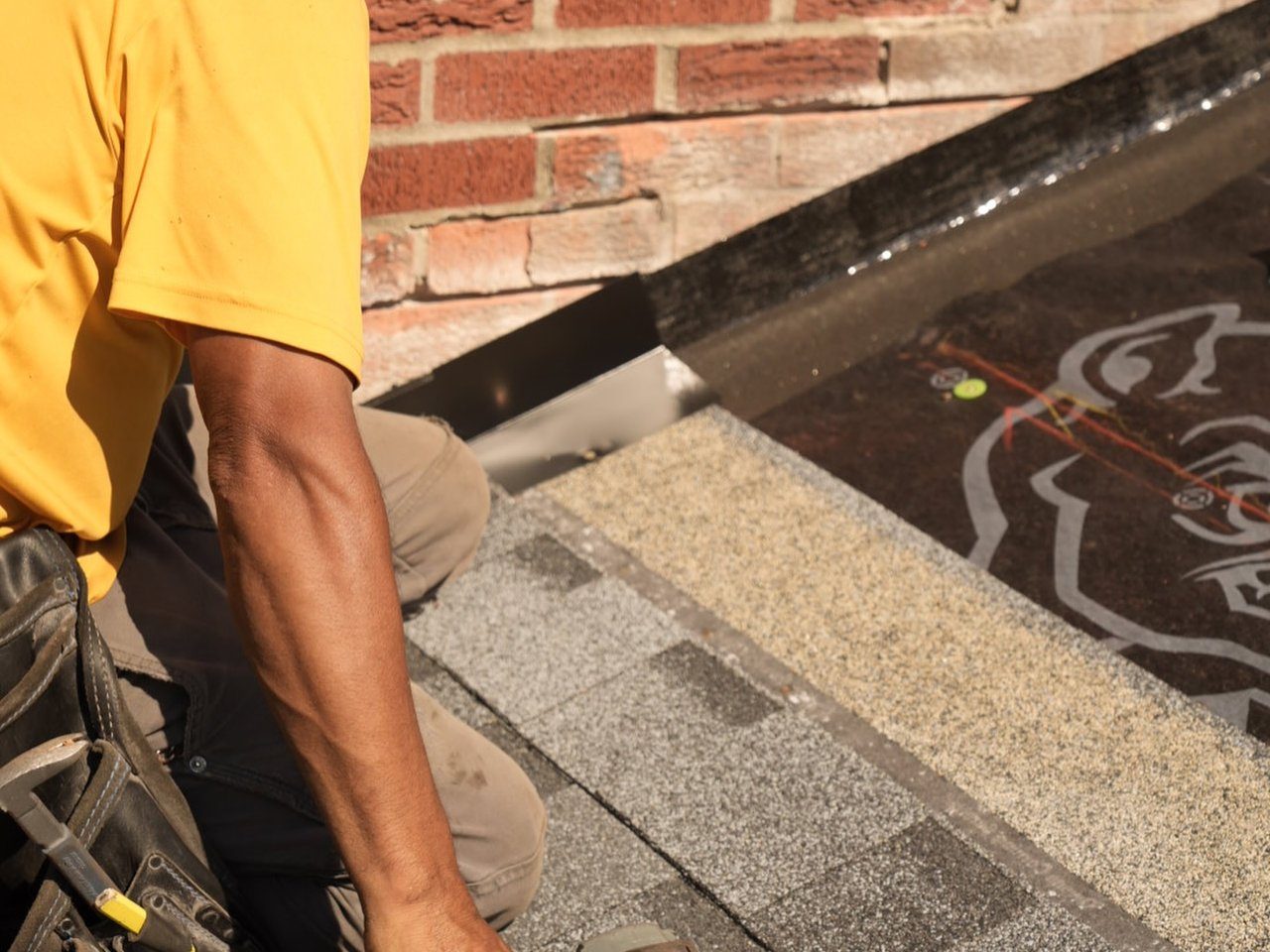
Apron Flashing
Apron flashing is a long piece of bent metal that seals the joint where a roof slope runs up into a vertical surface, like the front of a chimney, a dormer face or a wall at the top of a slope. It sheds water running down that wall onto the roof, and counter flashing or siding covers its top edge.
 Flashing & Roof Edge
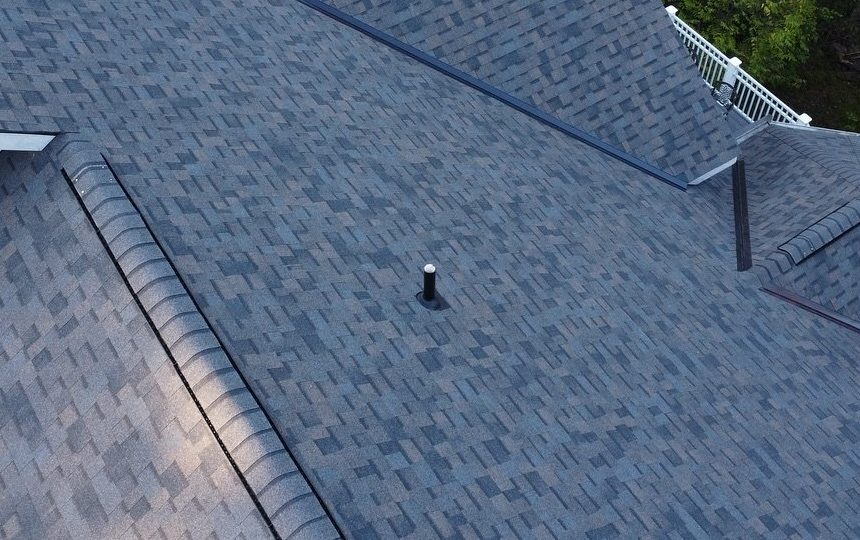
Pipe Boot
A pipe boot is the flashing around a pipe or vent that comes through the roof. Rubber or neoprene is common for pipe boots, and it's the first thing to crack. A cracked boot lets water run down the pipe into the attic, which makes it one of the most common roof leaks.
- Flashing & Roof Edge
Kickout Flashing
Kickout flashing is a small angled piece of metal at the bottom of a roof-to-wall joint, where the edge of a roof runs into a sidewall. It turns water out into the gutter. Without it, water running down the step flashing can pour behind the siding and rot the wall. Ohio's residential code requires one.


Key terms in this topic
- Base Flashing
The layer of flashing that lies on the roof where it meets a chimney or wall. Counter flashing hangs from the wall and laps down over it.
- Cap Flashing
Another name for counter flashing.
Read more about Cap Flashing- Cricket
A small peaked structure behind a chimney, also called a saddle, that diverts water around it. Building codes typically call for one on wide chimneys.
- Dormer Flashing
The flashing around the sides and front of a dormer. It combines step, apron and counter flashing.
- Flashing Metals
Aluminum, galvanized steel and copper are the common choices. Mixing metals that touch can cause corrosion.
- Rake Board
The trim board that finishes the rake edge of a roof. In some areas it's called a barge board.
- Reglet
A slot cut into a mortar joint so counter flashing can be set into the masonry and sealed.
- Roof Cement
Asphalt-based patching material. Fine for a temporary seal, not a lasting fix for failed flashing.
- Roof Jack
Roofer slang for the flashed base of a vent pipe, similar to a pipe boot.
Read more about Roof Jack- Roofing Sealant
Flexible caulk-like material used at flashing edges and fasteners.
- Sidewall Flashing
Flashing where a roof runs alongside a wall, usually built from step flashing.
- Skylight Flashing
The kit or custom metal that seals a skylight to the roof on all four sides.
- Storm Collar
A metal ring that fits around a vent pipe or flue above the flashing and keeps water from running down it.
- Surface-Mounted Counter Flashing
Counter flashing screwed to the face of a wall and sealed, instead of set into the masonry.
- Through-Wall Flashing
Flashing built into a masonry wall that sends moisture back out through weep holes.
- W-Valley Flashing
Valley metal with a raised center rib that keeps water from crossing to the opposite slope.
- Weep Hole
A small opening that lets water drain out of a wall or flashing system.
- Z-Flashing
A Z-shaped piece that sheds water over horizontal trim or between sections of siding.
Other roof topics
Need a hand with this?
Inspections are free, and we respond within 2 hours, 24/7.
Roof repair services
Leaks, flashing, vent boots and storm damage fixed at the source.
Roof replacement
Full roof replacements by an Owens Corning Preferred Contractor.
Roofing services
Repairs, replacements, inspections and storm work for homes across Greater Cincinnati.
Commercial roofing
Flat and low-slope roofs for commercial buildings.
Storm damage roofing
Wind and hail damage inspected and repaired.
Ice dam removal
Ice dams cleared from the roof edge before they push water inside.
Free roof inspections
We check the roof, the edge and the flashing, and tell you what we find.
Free inspection
Ready to protect your home?
Get your free inspection today. Calls are answered 24/7, and we serve the greater Cincinnati area!
- Free roof inspections
- Fully Licensed & Insured
- Owens Corning Preferred Contractor
- 760+ satisfied customers
Prefer to talk? Call (513) 560-1181
Explore More
Flashing & Leak Repair Services

Roof Leak Repair
Leak detection, flashing reseals and storm damage leak repairs

Roof Repair
Repairs for shingles, flashing, vents and decking

Free Roof Inspections
A free check for leaks, storm damage and wear