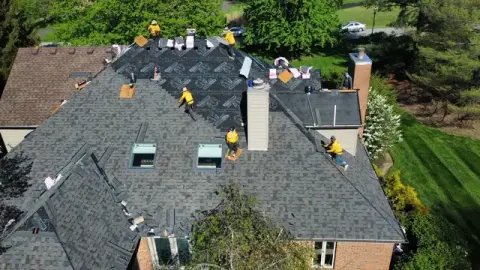
Roof Replacement Cost in Cincinnati: 2026 Price Guide
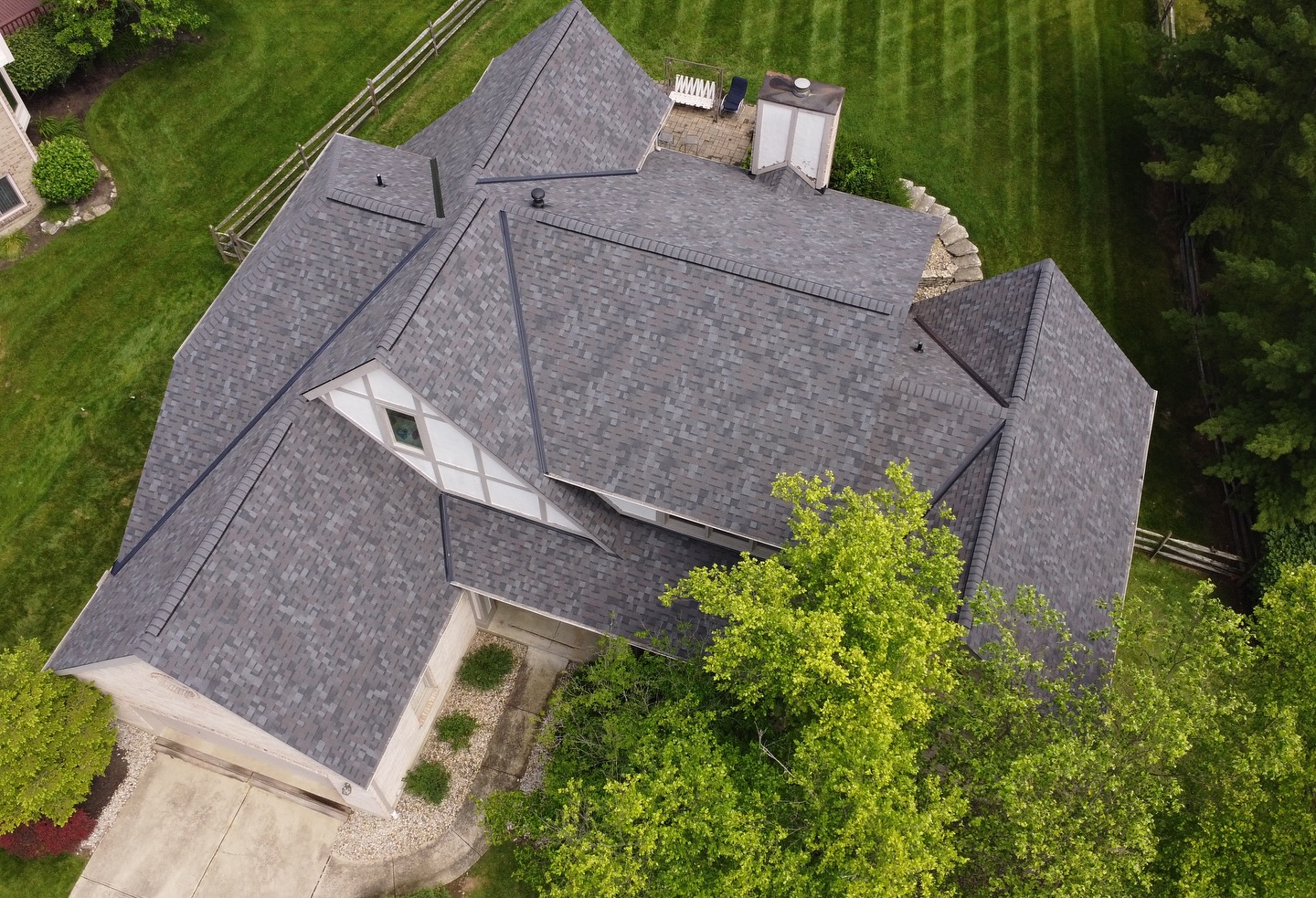
How much does a new roof cost in Cincinnati in 2026? Most Greater Cincinnati homes pay between $10,000 and $20,000 for a complete roof replacement with Owens Corning Duration architectural shingles. A typical roof on a home of about 2,000 sq ft lands around $12,000 to $16,000.
Reviewed by Jerry Vineyard, Co-Founder & Sales Manager at Rooftop Relief.
That is the honest local middle. Your actual price depends on five things: roof size, pitch and complexity, material choice, deck condition, and local permits. This guide walks through each one, shows what an average roof replacement cost looks like by size and material, and gives you a free calculator to price your specific roof in about 60 seconds.
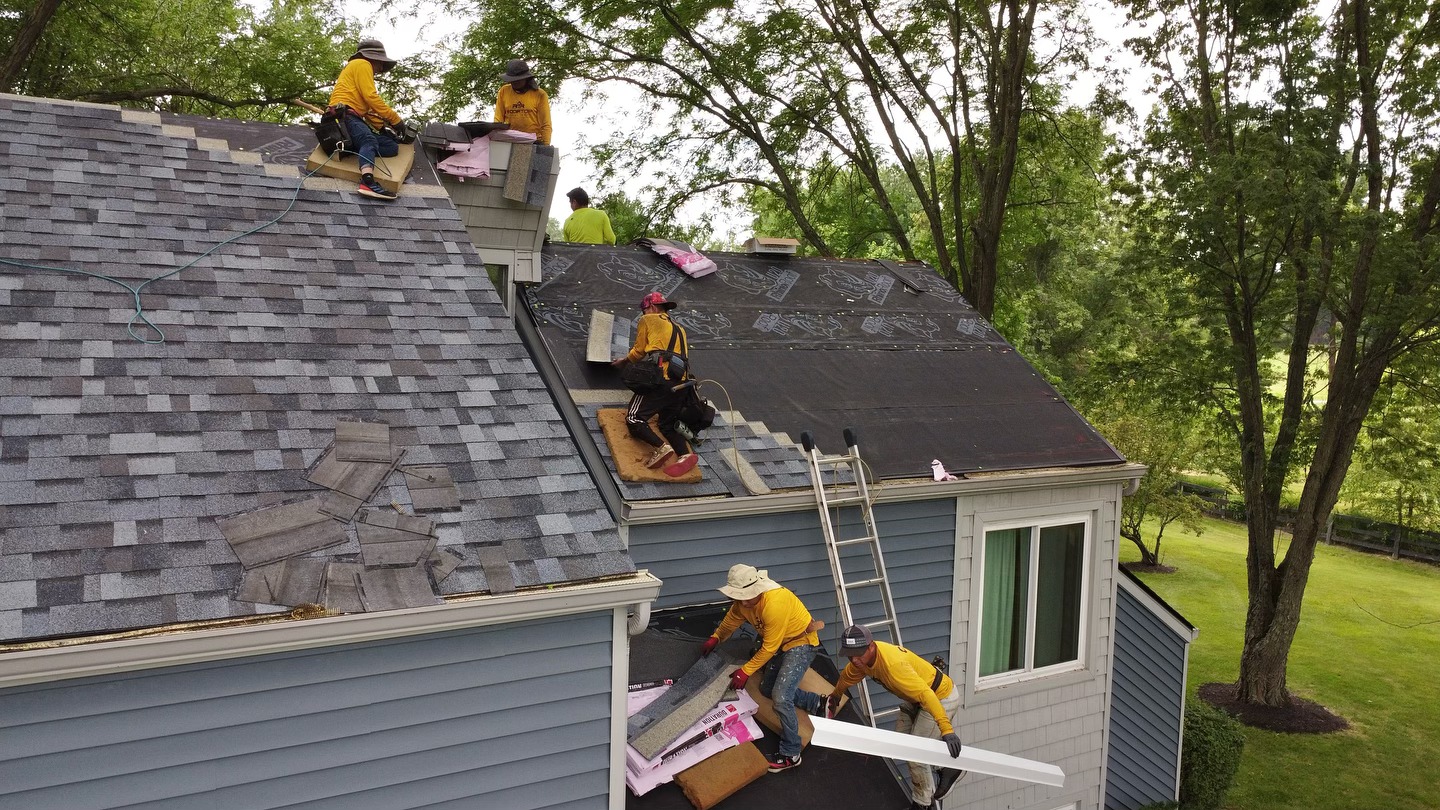
We are a Greater Cincinnati roofing contractor, and our Cincinnati roofing guide covers local permits, pitches, and neighborhood quirks in more depth, so we also break out what pricing looks like in this market specifically. Cincinnati sits on the higher end of Ohio pricing, about 10 to 15% above Columbus and Cleveland, because of steeper roof pitches on older homes, stricter permit requirements, and the labor demands that come with a city built on hills.
Average Cost of Roof Replacement at a Glance
Roof replacement cost by home size (2026, Owens Corning Duration shingles, one-layer tear-off, permit and cleanup included):
1,500 sq ft ranch: $10,000 to $13,000
Typical 2,000 to 2,500 sq ft home: $12,000 to $16,000
2,500 sq ft two-story: $12,000 to $16,000
2,500 sq ft ranch: $16,000 to $20,000
Most Greater Cincinnati homes: $10,000 to $20,000
These numbers assume architectural asphalt shingles, the most common material for a new roof, and a standard pitch. Premium materials, steep pitches, or hidden deck damage push the number up; a simple single-story gable roof stays at the lower end.
New Roof Cost Calculator
Want a number for your specific roof instead of a range? Use our free instant roof cost calculator. It pulls your roof measurements from satellite imagery, applies current 2026 material and labor pricing, and returns a real estimate in about 60 seconds, no phone call required.
Get My Instant Roof Cost Estimate →
The calculator handles asphalt shingles, metal roofing, and complex rooflines. Once you have your number, you can compare it against the ranges below or book a free in-person inspection to verify.
The 5 Things That Actually Drive Your Roof Cost
1. Roof Size
Roofing is priced by the "square": one square equals 100 square feet of roof surface.
Your roof surface is almost always larger than your home's footprint because of pitch. A 2,000 sq ft ranch home might have 2,200 to 2,400 sq ft of actual roof surface once you account for the slope.
The ranges in the table above are measured by roof surface, not home square footage, because pitch makes the roof bigger than the footprint.
These are complete replacement costs including tear-off, underlayment, new shingles, flashing, and cleanup. They assume a standard pitch and no significant deck damage.
2. Roof Pitch and Complexity
This is where Cincinnati specifically diverges from national averages.
The older neighborhoods, Hyde Park, Westwood, Norwood, Mariemont, Wyoming, have homes with steep pitches, multiple valleys, dormers, and complex rooflines. They add significant labor time and require safety equipment that flatter suburban homes don't.
A steeply pitched Hyde Park Tudor costs meaningfully more to replace than a 1990s ranch in Mason or West Chester, even at identical square footage.
As a general rule: add 20 to 30% to the base estimate for a steep or complex roofline.
3. Material Choice
Asphalt shingles are the most common material in Cincinnati and the baseline for pricing. Basic 3-tab shingles cost the least but are less common now. Architectural shingles are the most common choice. Designer shingles cost more and hold up better to freeze-thaw. Metal costs the most up front but lasts the longest. For metal pricing, see our asphalt vs metal roofing comparison.
For most Cincinnati homeowners, architectural shingles are the right call.
They perform significantly better than 3-tab in freeze-thaw conditions, which is the primary stress on Ohio roofs.
If you're planning to stay in the home for 20+ years and want a roof that handles Ohio weather without another replacement conversation, metal roofing earns its higher upfront cost.
4. Deck Condition
What's under your shingles matters.
If the tear-off reveals rotted or moisture-damaged decking, common on older Cincinnati homes that have been through decades of freeze-thaw cycling and ice dam damage, that deck has to be repaired or replaced before new shingles can go on.
If only part of the roof is affected, compare the numbers against a targeted fix first. See repair or replace: how Cincinnati homeowners decide. Deck repairs add to the base project cost depending on how much decking needs replacing.
On homes built before 1980, original board decking is common in neighborhoods like Westwood, Pleasant Ridge, Silverton, and Deer Park.
Any reputable contractor should show you what they find during tear-off before authorizing additional deck work, not surprise you with it on the final invoice.
5. Permits, Disposal, and Extras
Cincinnati area municipalities require permits for roof replacements. Permit costs vary by jurisdiction.
Tear-off and disposal of old materials is included in our estimates and depends on roof size and number of layers being removed.
Ice and water shield, which Ohio building codes often require at eaves and valleys, adds to material costs on replacements that weren't originally installed with it.
How Does Roof Cost Vary Across Cincinnati Suburbs?
Price follows the roof, not the zip code. Older city neighborhoods like Hyde Park and Mariemont have steeper pitches, more valleys and older board decking, so they tend toward the upper end of the $10,000 to $20,000 range or above it. Estate homes in Indian Hill often run higher still. Builder homes in Mason, West Chester and Liberty Township, and simpler rooflines in Eastgate, usually land in the middle of the range. The fastest way to see where your home falls is the instant roof estimate.
Does Insurance Cover Roof Replacement in Cincinnati?
If your roof was damaged by hail, wind, or a falling tree, your homeowner's insurance policy almost certainly covers it, minus your deductible.
Cincinnati and the surrounding Ohio counties sit in one of the most active spring storm corridors in the Midwest. Hail events that damage entire roof surfaces happen here every year.
The catch is documentation.
Insurance adjusters need evidence that the damage was caused by a specific weather event rather than normal aging. An adjuster who classifies hail impact as "normal granule loss" is either undertrained or looking to minimize the claim.
This is where having a contractor who knows how to document and communicate with adjusters matters, it's the difference between a full replacement approval and a denial.
If there was a significant storm in your area in the past 12 months and you haven't had a professional inspection, you may still be within the filing window.
A FREE roof inspection is the right first step. Our storm damage and insurance claims process covers how we document damage, communicate with adjusters, and make sure nothing legitimate gets left off the claim.
What Moves the Price Up vs Down
Things that push your cost higher:
Steep pitch, anything over 6/12 adds labor significantly
Multiple roof planes, valleys, and dormers
Two or more layers of existing shingles needing tear-off
Rotted or moisture-damaged decking discovered during tear-off
Premium material upgrades (designer shingles, metal)
Second story or hard-to-access roof areas
Skylights, chimneys, or solar panels requiring flashing work
Things that keep cost reasonable:
Simple gable or hip roof with a single pitch
Single layer of existing shingles
Sound deck with no moisture damage
Ground-level or low-slope roof
Standard architectural shingles
What to Watch Out For When Getting Quotes
The "too low" quote. If a quote is 30 to 40% below everyone else, something is being skipped, cheaper shingles than quoted, no ice and water shield, skipping the drip edge, cutting corners on valley flashing, or unlicensed labor. These shortcuts don't show up for 2 to 3 years.
The vague estimate. A good estimate itemizes materials, labor, tear-off, disposal, permits, and flashing separately. If a contractor hands you a single number with no breakdown, you have no basis for comparison and no protection if the scope expands.
The pressure to skip the permit. Permits exist to make sure the work meets code. An unpermitted roof replacement can create problems when you sell, and some insurance policies have clauses about unpermitted work. Any reputable contractor pulls the permit.
The "we'll match whatever they offer" contractor. Price matching without explanation usually means margins are being cut on materials or labor. Ask what specifically is being adjusted to hit the lower number.
The Best Time of Year to Replace a Roof in Cincinnati
Spring (May to June) and early fall (September to October) are the ideal windows in the Cincinnati market.
During these periods Ohio River Valley humidity eases, temperatures stay in the range where shingles seal properly, and severe storm activity drops compared to peak summer.
Winter replacements are possible but weather delays are common. Summer demand is highest, scheduling is tighter and pricing is at its peak.
The Bottom Line
A roof replacement in Cincinnati in 2026 costs what it costs because of real factors, material prices, labor rates, roof complexity, and Ohio's permitting requirements.
The wide range you see online exists because a flat ranch in Eastgate and a Tudor in Hyde Park are genuinely different jobs.
The most important thing you can do before getting quotes is understand your own roof, pitch, complexity, age, and condition.
A FREE inspection gives you that information from someone who's actually on the roof, and a baseline for evaluating every quote you receive.
If you're in Greater Cincinnati and want a straight answer on what your specific roof replacement would cost, contact us for a FREE, itemized estimate. Once you have that number, our guide on how to pay for a roof replacement in Cincinnati compares financing, loans, savings, and insurance.