
How to Know If Insurance Will Replace Your Roof

If you've noticed missing shingles after a storm or found signs of a leak, one of the first questions that probably comes to mind is:
"Will my insurance pay for a new roof?"
The honest answer is: it depends on what caused the damage and what your policy covers.
We talk with homeowners throughout Greater Cincinnati every year who aren't sure whether they're looking at an insurance claim, a simple repair, or a full roof replacement. While every insurance company and policy is different, there are some common signs that can help you understand whether your roof damage may qualify for coverage.
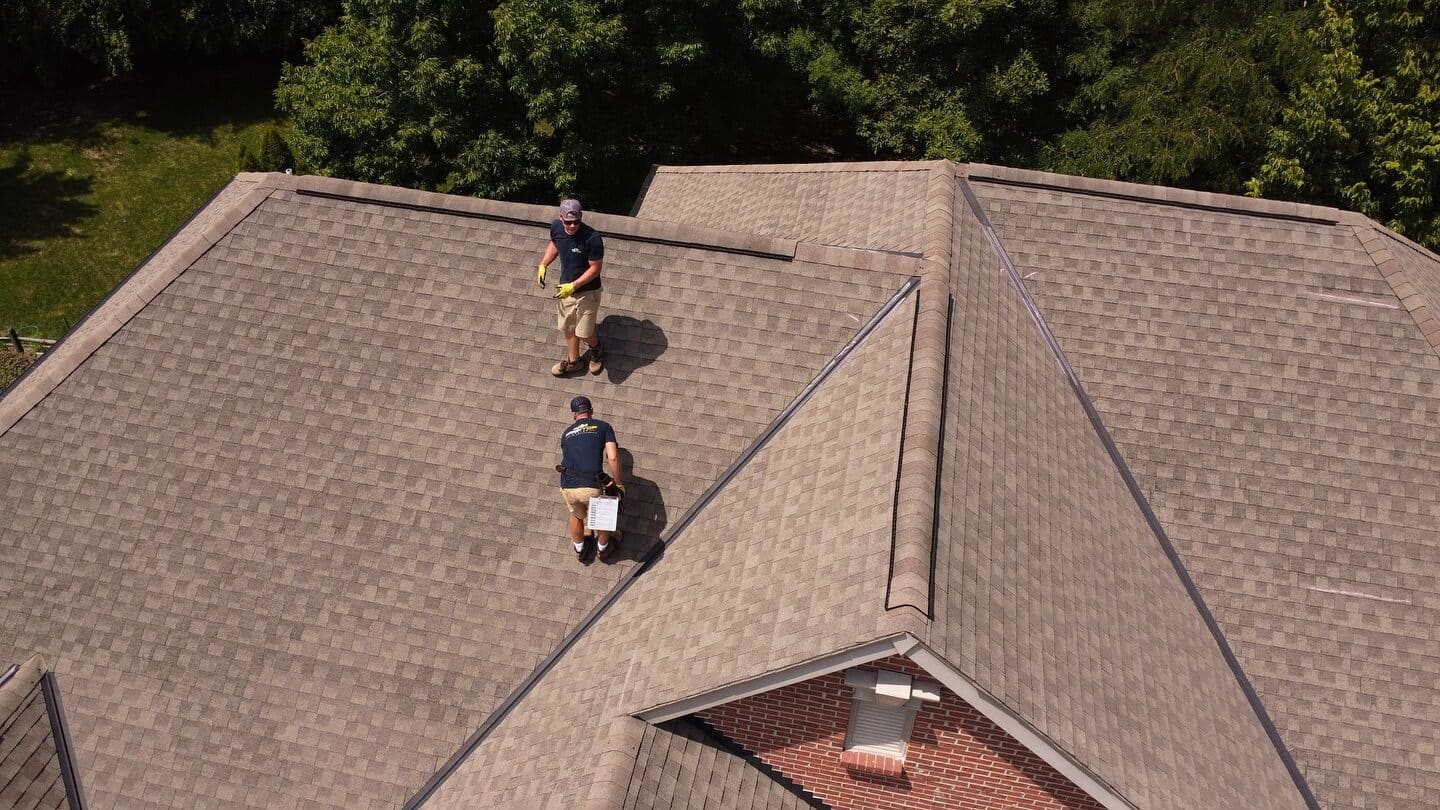
Quick Answer
Insurance is most likely to pay for roof replacement when the damage was caused by a sudden covered event, such as:
- Hail
- Wind damage
- Falling trees or branches
- Fire
- Certain severe weather events
Insurance typically does not pay for roof replacement when the issue is caused by:
- Normal aging
- Lack of maintenance
- Installation defects
- Gradual wear and tear
- Existing damage that was never repaired
Most major insurance companies, including State Farm, Allstate, Nationwide, Liberty Mutual, Travelers, and USAA, generally distinguish between sudden storm-related damage and normal roof deterioration.
The Biggest Factor: What Caused the Damage?
One of the first things we look for during an inspection is whether the damage appears to be related to a specific weather event.
Insurance companies aren't usually asking:
"Is the roof damaged?"
They're asking:
"What caused the damage?"
Commonly Covered Roof Damage
| Cause | Often Covered? |
|---|---|
| Hail Damage | Yes |
| Wind Damage | Yes |
| Fallen Tree Impact | Yes |
| Fire Damage | Yes |
| Lightning Damage | Yes |
| Vandalism | Often |
| Tornado Damage | Usually |
Commonly Excluded Roof Damage
| Cause | Often Covered? |
|---|---|
| Old Age | No |
| Poor Maintenance | No |
| Neglected Repairs | No |
| Installation Problems | Usually No |
| Gradual Deterioration | No |
We often find that homeowners assume visible damage automatically means insurance coverage. In reality, the insurance adjuster is trying to determine whether the damage resulted from a covered loss or from normal roof aging.
Signs Insurance May Approve a Roof Replacement
While no contractor can guarantee claim approval, we've found that roofs are more likely to qualify when they have:
1. Recent Storm Damage
If a severe wind or hail event recently passed through your area, that's often where the conversation starts.
We frequently inspect roofs after storms and find:
- Lifted shingles
- Missing shingles
- Creased shingles
- Exposed underlayment
- Hail impact marks
- Damaged ridge caps
- Damaged flashing
These are the types of conditions insurance adjusters commonly evaluate during a claim inspection.
2. Damage Across Multiple Slopes
A few damaged shingles may result in a repair recommendation.
Widespread damage affecting multiple roof slopes often receives more attention because repairs may not restore the roof's overall integrity.
3. Interior Water Intrusion
Water stains, attic leaks, or moisture infiltration can strengthen a claim when they can be linked to a covered storm event.
Signs Insurance May Deny a Roof Claim
Not every damaged roof qualifies for replacement.
We commonly see denied claims when:
- The roof is near the end of its life expectancy
- Damage appears years old
- Repairs have been repeatedly delayed
- The damage is cosmetic only
- The homeowner cannot identify a likely date of loss
Insurance companies frequently deny claims when they determine damage resulted from wear and tear rather than a covered weather event.
How Insurance Companies Typically Evaluate Roof Claims
Although every carrier handles claims differently, the process is usually similar.
Step 1: The Claim Is Filed
The homeowner contacts the insurance company.
Step 2: An Adjuster Inspects the Roof
The adjuster evaluates:
- Cause of damage
- Severity of damage
- Age of the roof
- Repairability
- Policy coverage
Step 3: Coverage Is Determined
The insurance company decides whether:
- No damage exists
- Repairs are sufficient
- Partial replacement is needed
- Full replacement is warranted
Major carriers like State Farm specifically note that adjusters evaluate the difference between storm-related damage and normal aging.
Replacement Cost Value vs. Actual Cash Value
One of the biggest surprises homeowners encounter is learning that not all roof policies pay the same way.
| Coverage Type | What It Means |
|---|---|
| Replacement Cost Value (RCV) | Pays the cost to replace the roof, less deductible |
| Actual Cash Value (ACV) | Pays depreciated value based on age and condition |
We always encourage homeowners to review their policy before filing a claim so they understand how their roof is covered.
Should You Have Your Roof Inspected Before Filing a Claim?
In our experience, yes.
We often find one of three situations:
Scenario 1 — There is legitimate storm damage. Filing a claim makes sense.
Scenario 2 — Damage exists but may not justify a claim. The homeowner avoids an unnecessary claim on their record.
Scenario 3 — The roof only needs repairs. The homeowner saves time and frustration.
A professional inspection helps establish whether there's evidence of a covered loss before involving the insurance company.
Helpful Videos for Homeowners
These non-sales-focused educational resources can help you better understand the insurance process.
Information About How Claims Work
This video from the Texas Department of Insurance is instructive on some things you can expect, and what to watch out for. It's a little silly, but the information is good.
How to File An Insurance Claim for Hail Damage
This video gives tips on what to get ready for your home-owner's insurance claim after a hail storm. It's from an insurance agent in Illinois, but the information is neutral and helpful, and covers more than just roofs.
Frequently Asked Questions
For questions about the replacement itself rather than the claim, see our Cincinnati roof replacement FAQ.
Will State Farm replace my roof after hail damage?
State Farm may cover roof replacement when hail damage results from a covered loss and meets policy requirements. Coverage depends on factors such as the extent of damage, roof condition, deductible, and policy terms.
Will insurance replace an old roof?
Age alone does not qualify a roof for replacement. In fact, older roofs often receive greater scrutiny because insurers may view deterioration as normal wear and tear rather than storm damage.
Can insurance deny a roof claim?
Yes. Claims are commonly denied when insurers determine the damage resulted from aging, maintenance issues, or causes not covered by the policy.
Does filing a claim guarantee a new roof?
No. Insurance companies may approve repairs, partial replacement, or deny the claim entirely depending on the findings of the inspection.
The Bottom Line
If you're wondering whether insurance will replace your roof, the most important question isn't how old the roof is.
It's whether there is evidence of damage from a covered event.
We've helped homeowners throughout Greater Cincinnati understand what they're looking at after storms, identify potential claim-worthy damage, and navigate the inspection process with confidence.
Sometimes a roof qualifies for replacement. Sometimes a repair is all that's needed. Either way, we'll show you what we find, explain your options, and help you make the decision that's right for your home.
Schedule your FREE inspection today or call us at (513) 848-5343. We'll be there within 48 hours.
